Medical emergencies sometimes require advanced monitoring and specialized treatment that cannot be provided in regular hospital wards. This is where critical care plays a life-saving role. This focuses on treating patients who are seriously ill or facing life-threatening medical conditions.
In hospitals, critically ill patients are treated in a specialized unit called the Intensive Care Unit (ICU). The ICU is equipped with advanced medical technology, continuous monitoring systems, and highly trained medical professionals who can respond quickly to emergencies. The main goal of critical care is to stabilize the patient’s condition, support vital organs, and provide intensive medical treatment until the patient begins to recover.
At Chetana Hospital, critically ill patients receive advanced ICU treatment under expert supervision, ensuring that patients receive timely and appropriate care during medical emergencies.
For more information about hospital services, visit:
https://chetanahospitalraichur.com/
Modern ICU treatment also relies on high-quality medicines and life-saving therapies developed by trusted pharmaceutical companies such as
https://www.cipla.com/
advanced ICU critical care treatment for emergency medical conditions
What Is Critical Care and Why It Is Important
Critical care is a specialized field of medicine dedicated to treating patients who have severe or life-threatening medical conditions. These patients require constant monitoring and intensive treatment to support essential body functions such as breathing, blood circulation, and organ function.
Doctors and nurses working in ICU units are trained to manage complex medical situations and respond quickly to sudden health changes.
Common conditions that may require intensive care treatment include:
• Severe infections
• Heart attacks or cardiac emergencies
• Major accidents or trauma
• Respiratory failure
• Complications after surgery
Because these conditions can become life-threatening, timely medical intervention in ICU settings is essential.
intensive care treatment for life threatening medical emergencies
Conditions That May Require Critical Care
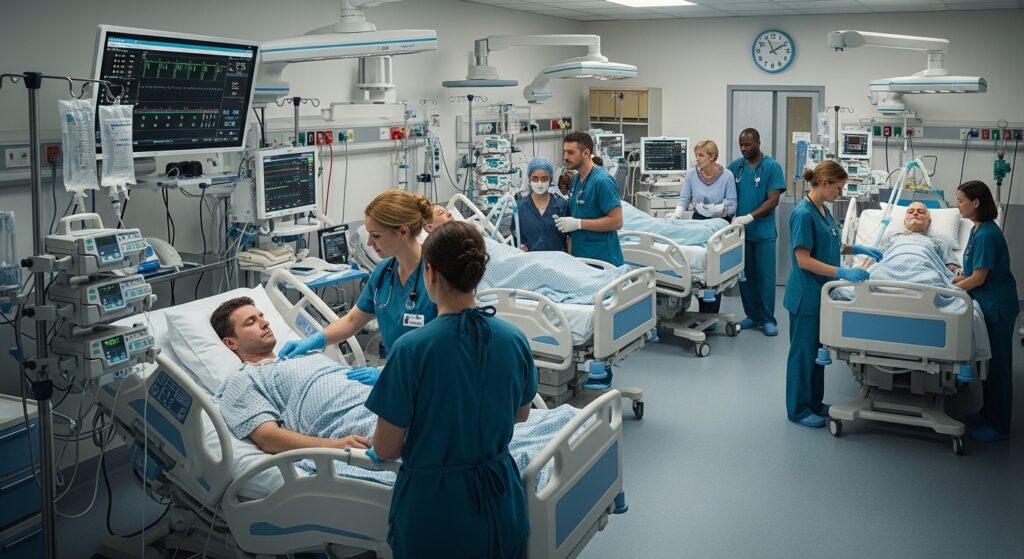
Several serious health conditions may require admission to the ICU for this treatment. Doctors recommend ICU admission when a patient requires continuous monitoring and specialized life-support systems.
Some common situations include:
• Severe pneumonia or respiratory failure
• Stroke or neurological emergencies
• Major accidents or trauma injuries
• Severe infections such as sepsis
• Heart complications or cardiac arrest
These conditions can affect vital organ function, including the heart, lungs, brain, and kidneys.
ICU teams closely monitor patients using advanced medical equipment to ensure that their condition remains stable.
medical conditions that require ICU critical care treatment
How ICU Treatment Works in Critical Care
The Intensive Care Unit is designed to provide advanced medical treatment for patients who need close observation and specialized care. During critical care, doctors continuously monitor vital signs such as heart rate, blood pressure, oxygen levels, and breathing patterns.
ICU treatment may include:
• Mechanical ventilators for breathing support
• Intravenous medications
• Continuous heart monitoring
• Dialysis for kidney failure
• Emergency life-support systems
These advanced treatments help stabilize patients and allow the body to recover from severe illness.
Doctors and nurses also work together to maintain patient monitoring systems that detect any changes in the patient’s condition.
advanced ICU monitoring and life support treatment in critical care units
Warning Signs That May Need Critical Care
Recognizing medical emergencies early can save lives. Some symptoms indicate that immediate critical care may be required.
Warning signs include:
• Severe breathing difficulty
• Loss of consciousness
• Chest pain or heart attack symptoms
• Severe head injury
• Uncontrolled bleeding
• Sudden confusion or stroke symptoms
These symptoms may indicate serious problems affecting emergency medical health, which require immediate medical attention.
Quick medical response and ICU admission can significantly improve survival and recovery.
emergency symptoms that require immediate ICU medical care
Recovery and Monitoring After Critical Care
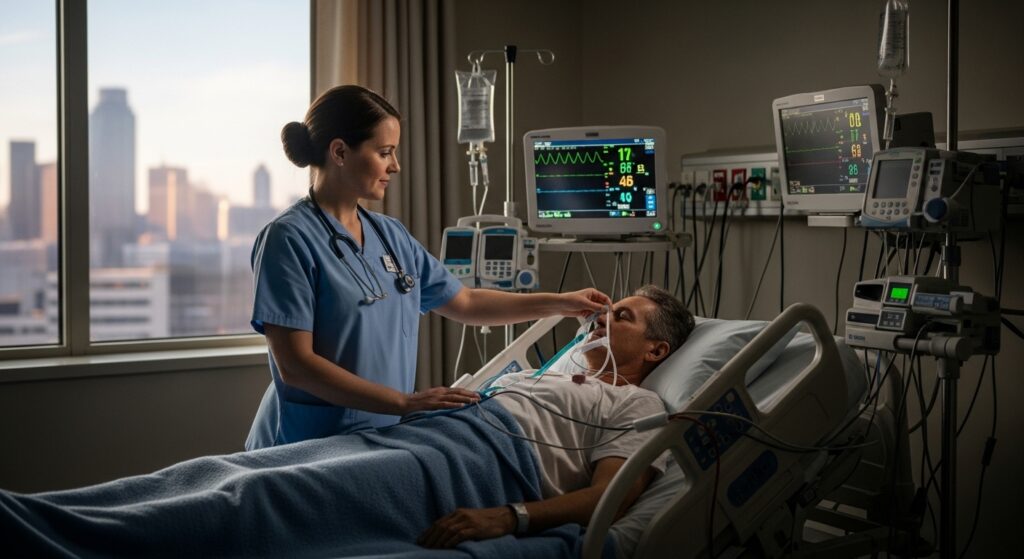
After receiving critical care, patients often require gradual recovery and monitoring before they can return to normal hospital wards or home.
Recovery may involve:
• Continuous medical observation
• Medication management
• Nutritional support
• Physiotherapy and rehabilitation
• Monitoring organ function
Doctors focus on improving patient recovery while ensuring that complications do not occur.
Family members also play an important role by providing emotional support during the recovery process.
post ICU recovery and rehabilitation after critical care treatment
Expert ICU Care from Dr. Rakshit R Desai
Managing critically ill patients requires highly trained doctors with specialized knowledge and experience.
At Chetana Hospital, ICU treatment and critical care services are provided by experienced specialist:
Dr. Rakshit R Desai
MBBS, MD, DNB, DFID, IDCCM
Graduate – Bangalore Medical College & Research Institute
Fellowship in Critical Care – Manipal Hospitals, Bangalore
Trained at top ICU – HAL Airport Road
• Special interest in managing critical patients
Dr. Rakshit R Desai has extensive experience in handling emergency cases and providing advanced critical care treatment for severely ill patients. His expertise in intensive care medicine helps ensure that patients receive timely diagnosis, advanced life-support treatment, and compassionate care.
Patients seeking experienced ICU specialist consultation for critical care emergencies can receive professional and reliable medical treatment.
Conclusion
Critical care medicine plays a crucial role in saving lives during medical emergencies. The ICU provides advanced treatment, continuous monitoring, and specialized support for patients facing life-threatening conditions.
Understanding how critical care works helps patients and families recognize the importance of timely medical intervention during emergencies.
At Chetana Hospital, advanced ICU facilities and expert care from Dr. Rakshit R Desai ensure that critically ill patients receive the highest level of medical support and treatment when it matters the most.